

Hydraulics Optimization
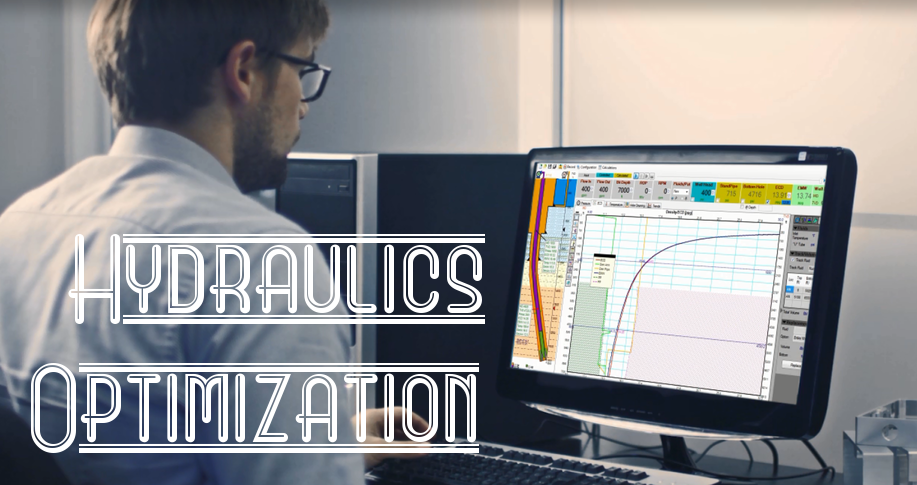
Sometimes Drilling engineers overlook this simple but important concept about hydraulic performance and optimization. We are not reinventing the wheel here, I’m just suggesting use your knowledge and apply it….


DrillSoft specializes in Dynamic Pressure Drilling (MPD/UBD), developing tools that facilitate calculation quickly and accurately through a friendly and reliable interface. Our products are fully compatible with the latest cutting-edge technology and it adapts to a wide variety of PLC’s through different communication protocols.

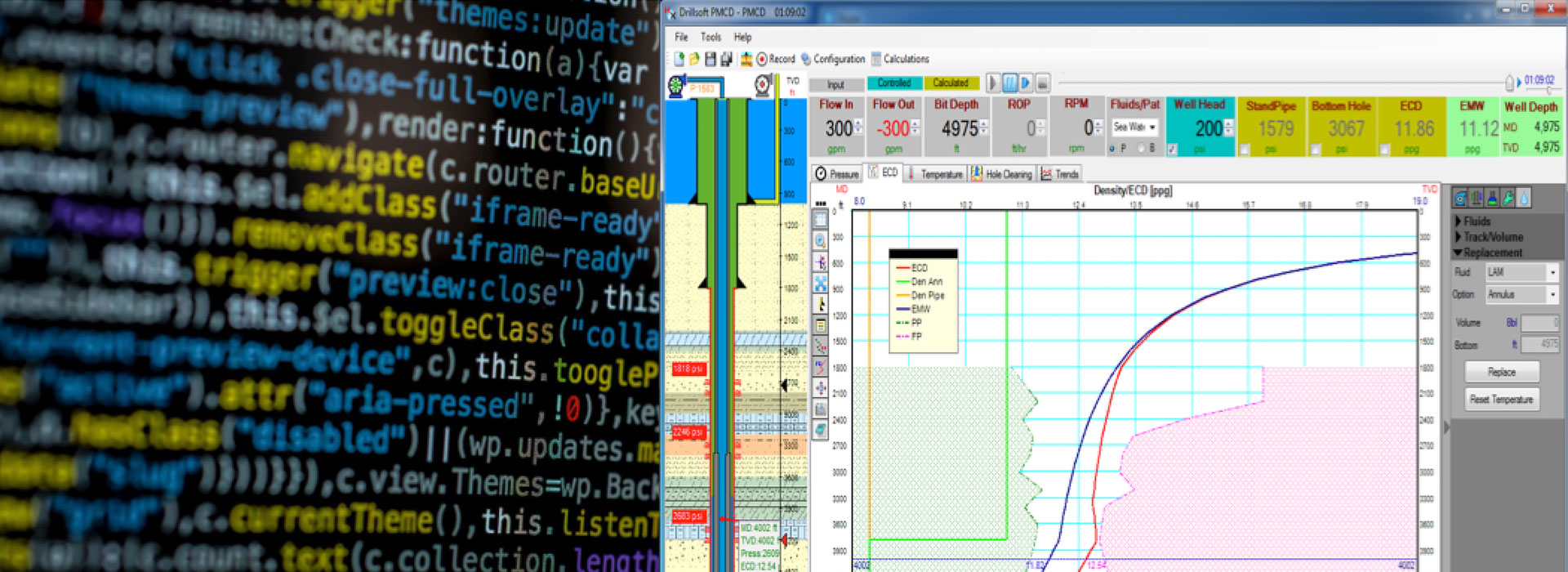
Drillsoft HDX is a hydraulic transient model, which calculates the profiles of pressure and temperature as well as the well’s ECD in Real Time. The simulator uses state of the art algorithms and provides the user with a wide range of modeling options…
Calculates axial tension, stretch, twist, hook load, & torque. It supports conventional & unconventional drilling operations which allows the modeling of all field operations including for drill string, casing string, completion, & coiled tubing manufactured from steel & non-steel materials.
Drillsoft HDX improves Hydraulic Optimization achieving the best condition to clean the well is when the force provided by the jets is the maximum. One of the basic features of drilling fluid is to remove the drilled cuttings from beneath the bit.
The Influx Management Envelope, IME, is a tool used to analyze incidental influxes during Managed Pressure Drilling, MPD. It used kick tolerance concepts, which are based on the relationship between the volume and the intensity of encountered influxes.
Sometimes Drilling engineers overlook this simple but important concept about hydraulic performance and optimization. We are not reinventing the wheel here, I’m just suggesting use your knowledge and apply it….
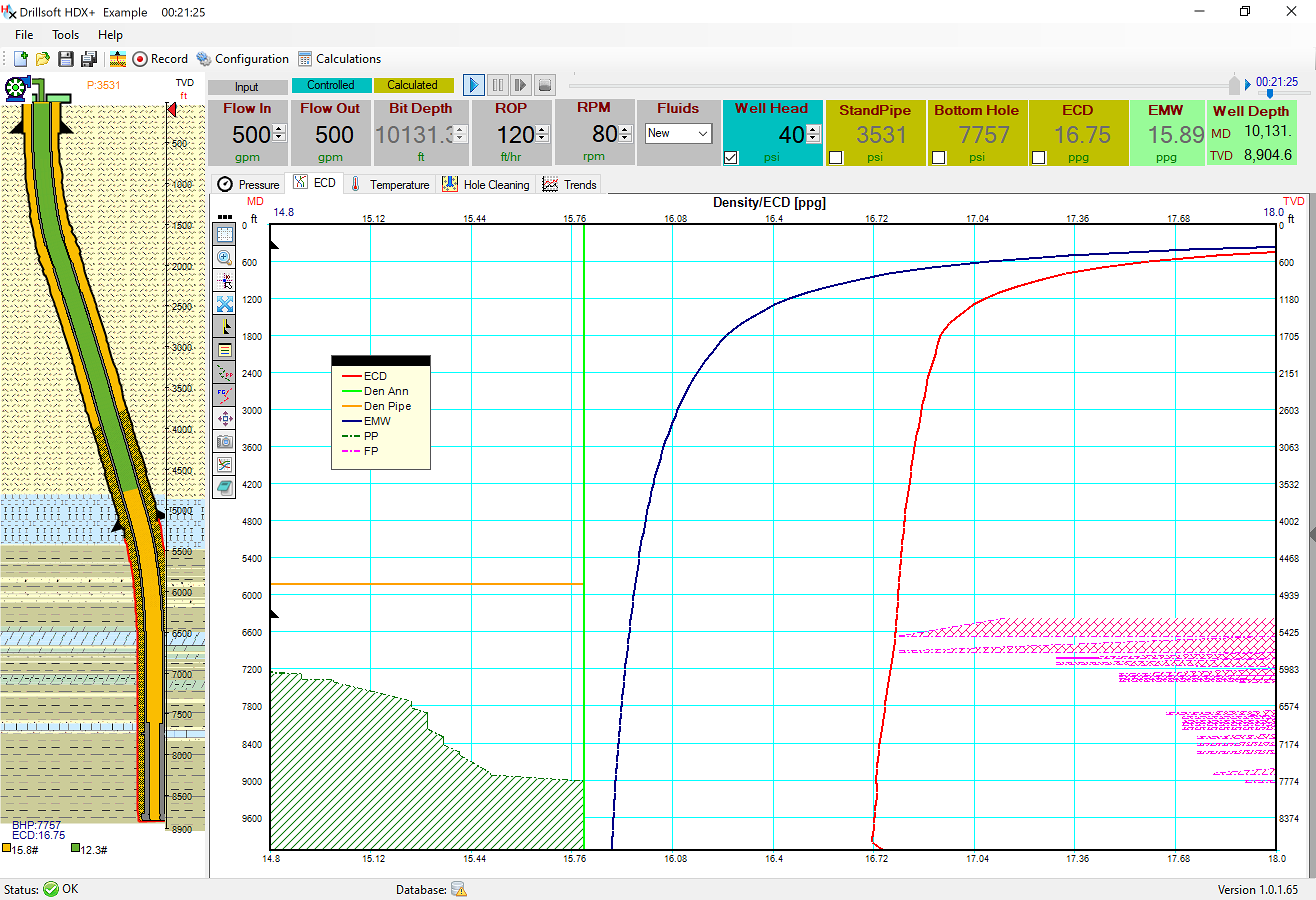
There are multiple components that go into planning and designing a successful plan. But the importance of the Hydraulic Planning cannot be ignored as it alone can be a determining…
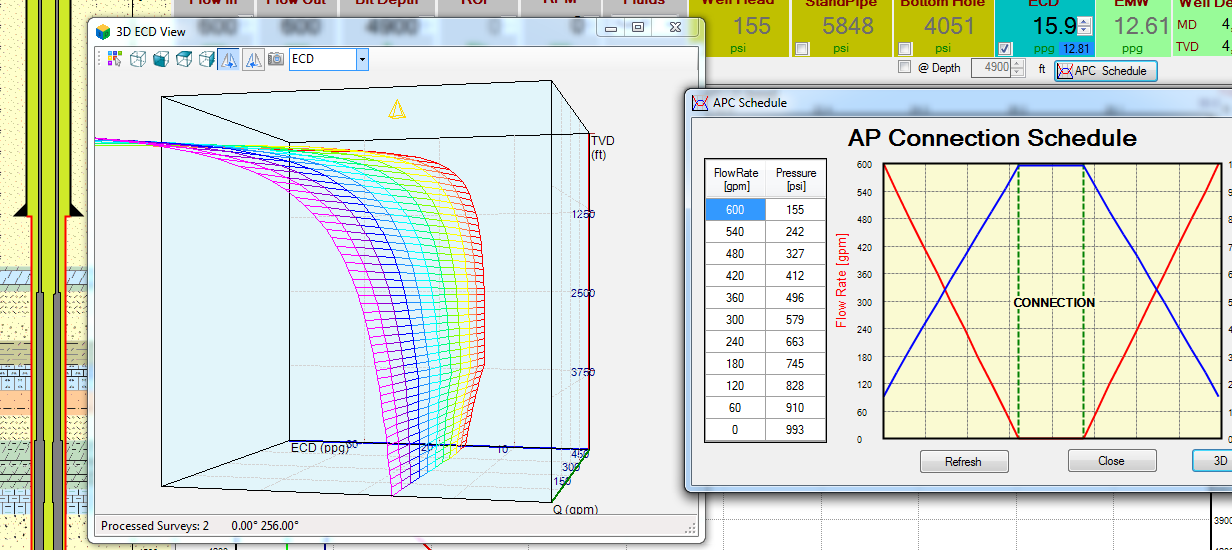
Check this article to see how looks like the MPD connections in 3D. During MPD connections we replace the annular friction by applying surface back pressure to achieve the target…
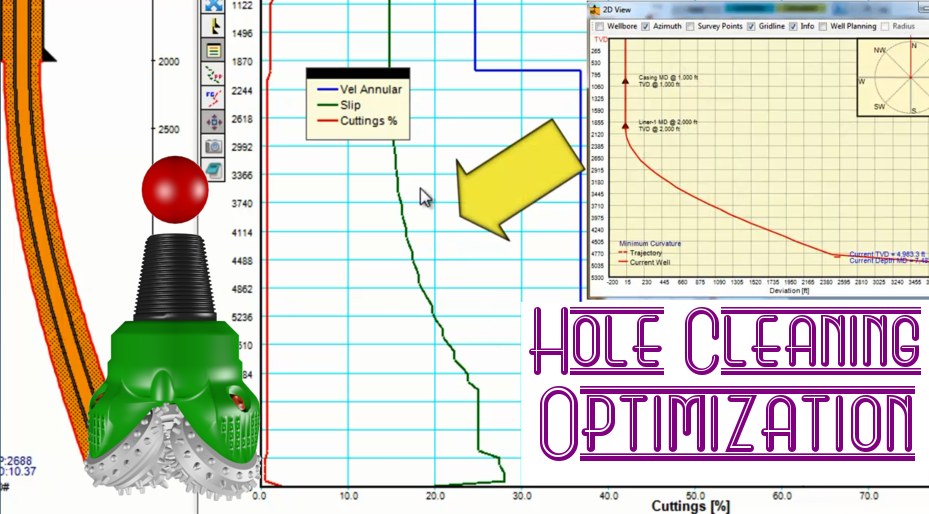
Optimal Hole Cleaning Drilling fluid hydraulics and hole cleaning is an integral part of the practical processes required for planning and drilling a well. Optimization of cuttings transport depends on…
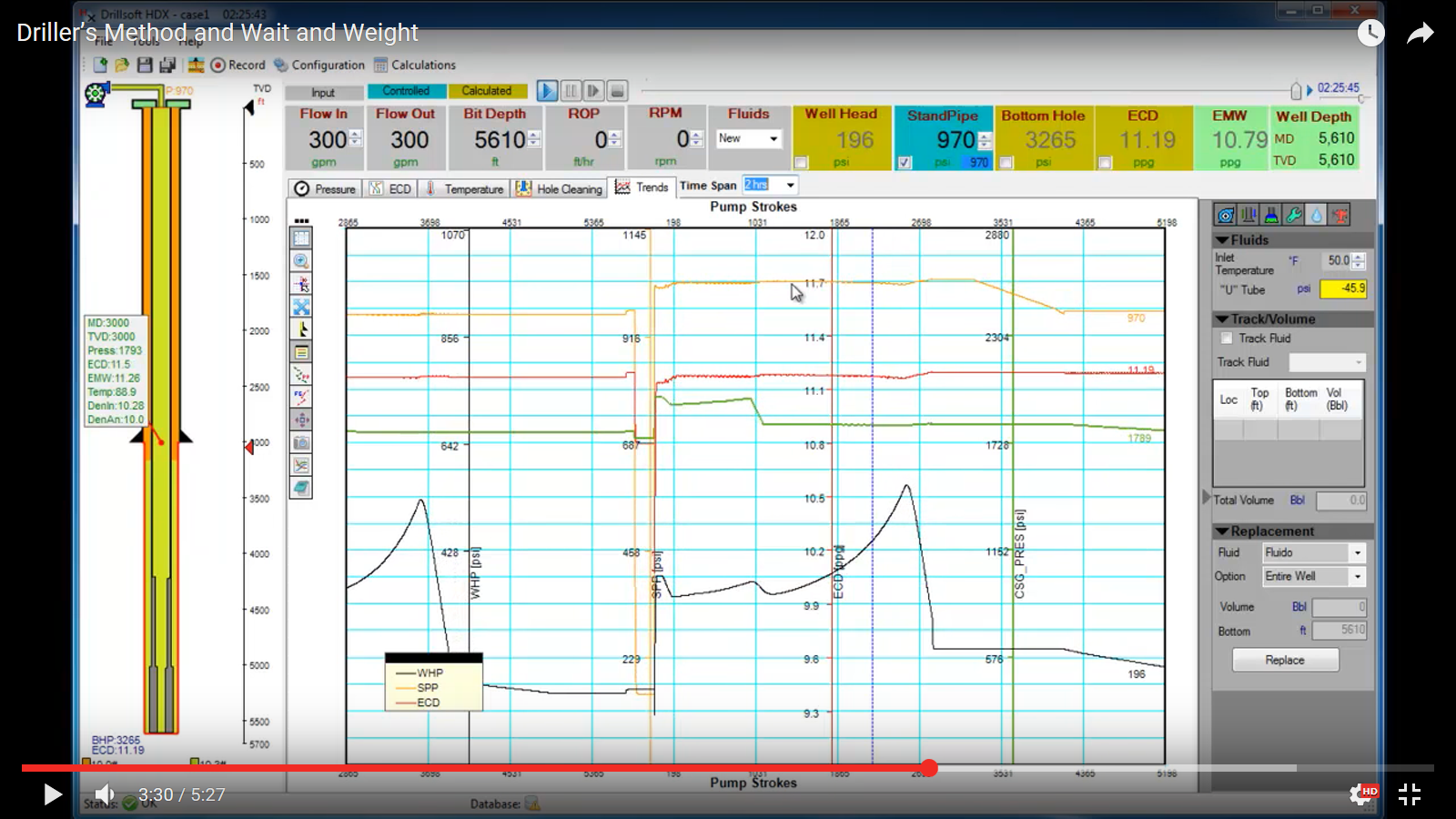
It’s very well-known and documented the pros and cons between these two methods, we show you the real or numeric quantification between them using both methods under the same conditions….
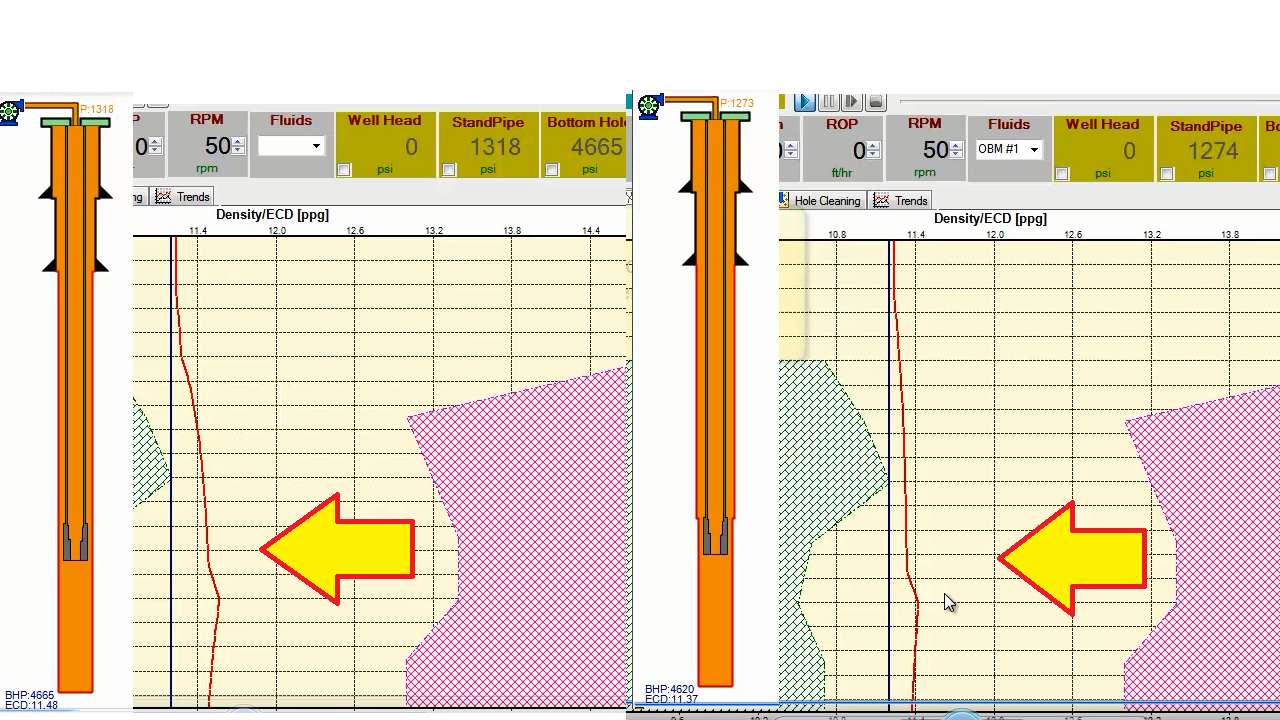
During under-reaming operations the annular friction varies as you go deeper. Since you are enlarging the wellbore the annular velocity decreases hence the friction in the section under-reamed, but at…
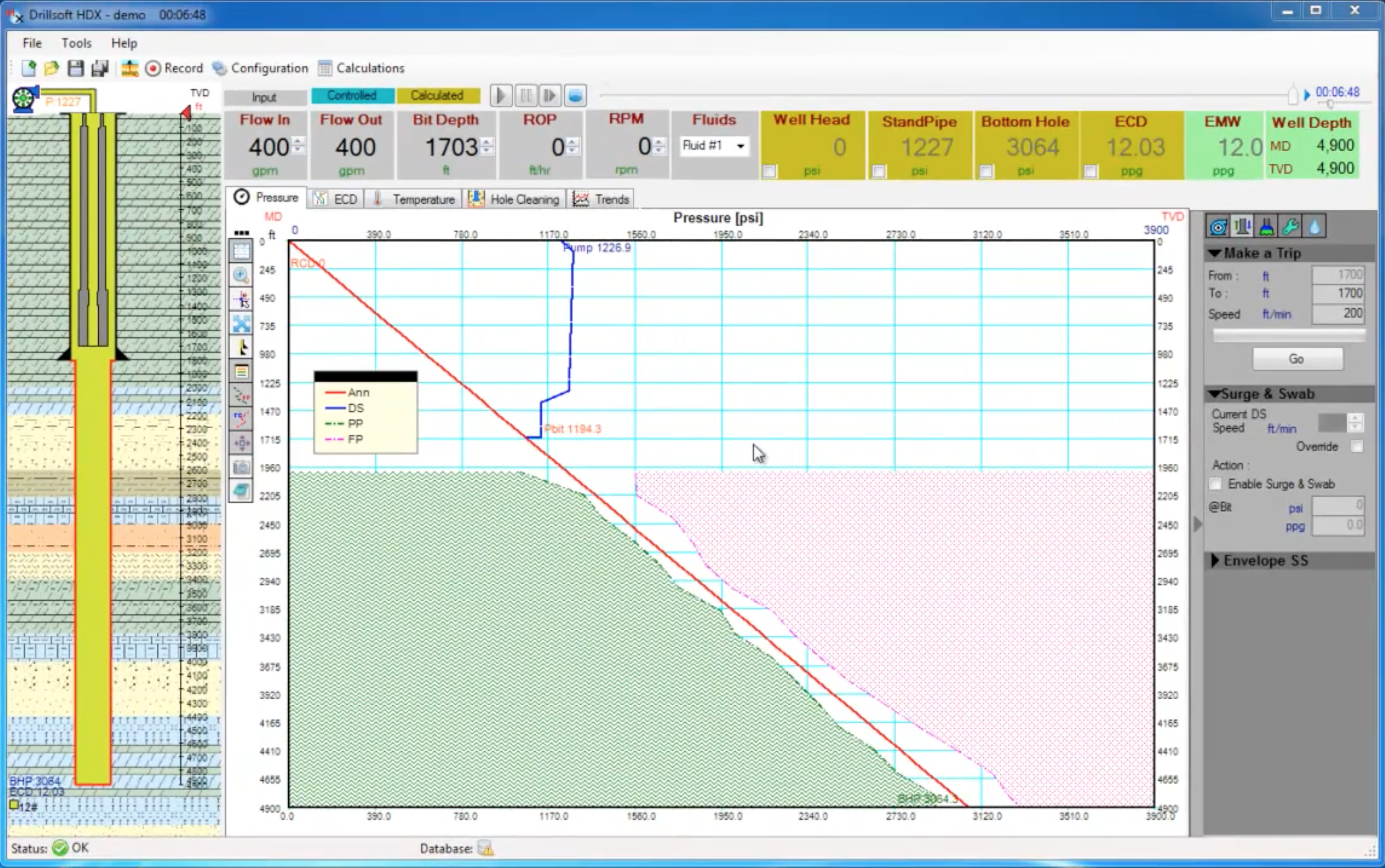
This video shows the Surge and Swab effect while tripping (RIH/POOH) and how we can incur in losses even though the bottom ECD seems fine and still we are far…
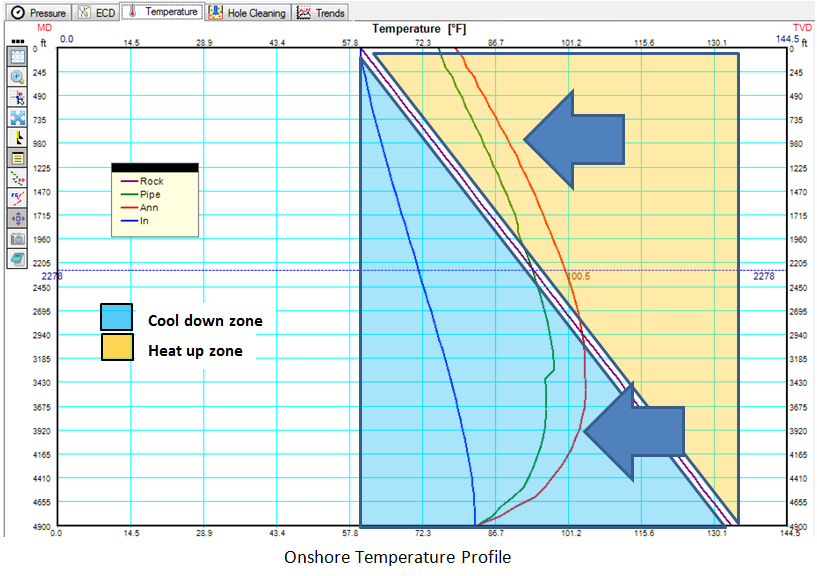
The important effect of Temperature. The transient Temperature effect is very important in the accuracy of MPD/UBD calculations. Most people ignore this effect perhaps because they don’t have the right…
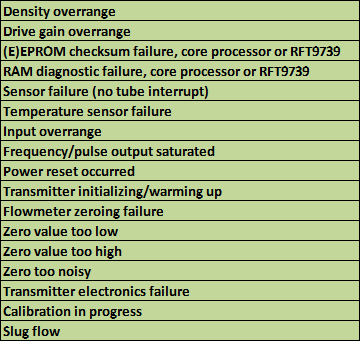
Generally in MPD/UBD operations and drilling companies use devices to measure flow in and flow-Out. The most common device nowadays for flow_out is a Coriolis flow meter (mass flow meter),…
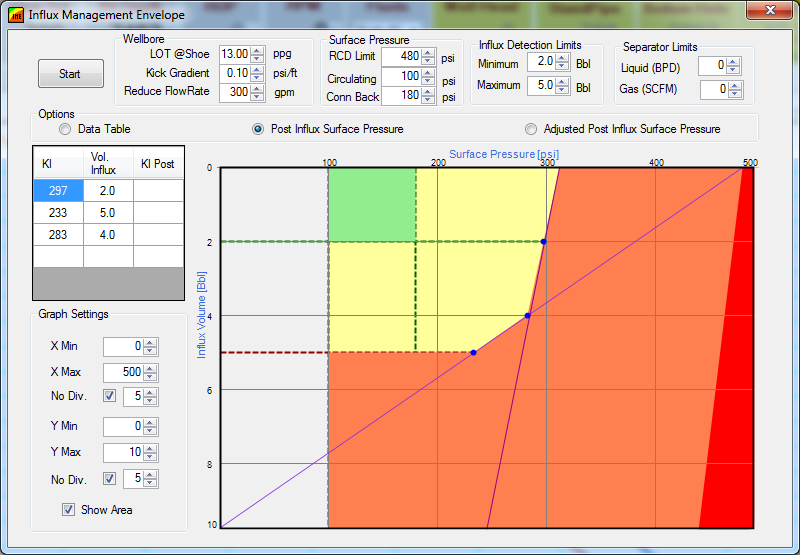
Question: How do you know is the MPD Operation matrix is “safe”? RCD Limit: 450 psi LOT: 13 ppg Min Influx allowed while drilling: 2 Bls* Max Influx allowed while…